
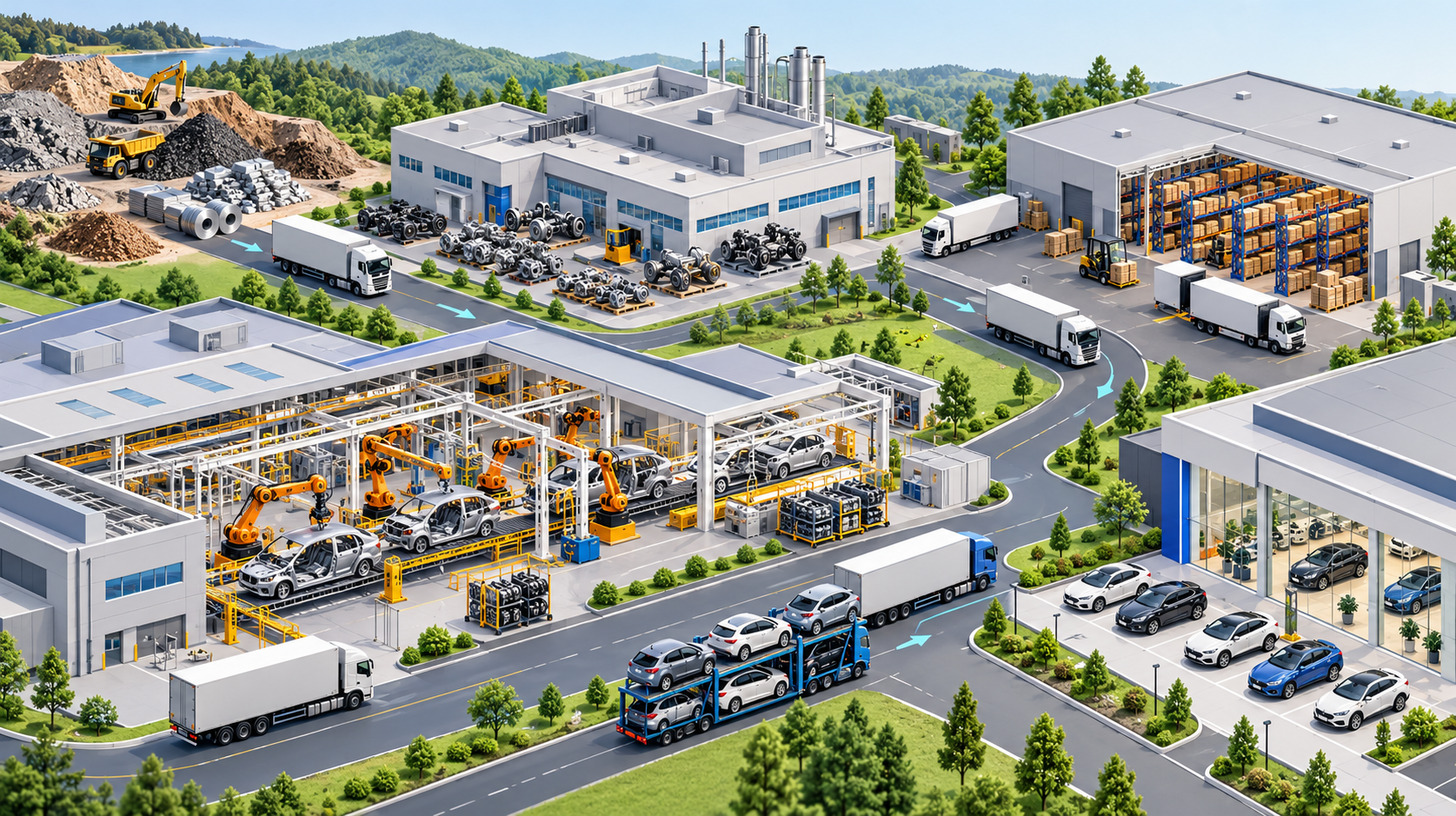
What is the automotive supply chain?
A car needs thousands of parts. Yet one missing sensor can stop the assembly line. Every piece has to arrive on time.
The automotive supply chain connects raw-material suppliers, parts makers, car factories, shippers, dealers, and repair shops. Software companies play a role, too. Most buyers only see the final stretch, whether they’re comparing models at a dealership, checking delivery times, or reading a guide to buying a car in Qatar. Behind those everyday decisions is a network that keeps working long after the keys change hands.
How does the automotive supply chain work?
It starts long before assembly. Each stage has its own work to do:
- Raw materials. Producers supply steel, aluminum, copper, rubber, and battery minerals such as lithium and graphite.
- Parts and systems. Factories make tires, seats, wiring, brakes, sensors, motors, and battery cells. Some parts pass through several suppliers.
- Vehicle assembly. Automakers, or original equipment manufacturers (OEMs), build and test cars for safety and quality.
- Delivery and sales. Cars travel by truck, train, or ship to dealers, who manage stock and sell them to customers.
- After-sales and recycling. Repairs and spare parts keep cars running. Later, recyclers recover steel, aluminum, and some battery materials.
The four supplier tiers, explained
Car brands rarely make every part themselves. Their suppliers form layers, known as tiers:
- Tier 1 firms ship finished parts or systems right to carmakers. Think seats, brakes, and dashboards.
- Tier 2 firms make smaller parts for Tier 1, like sensors, plugs, and metal clips.
- Tier 3 firms make basic parts and processed goods, such as plastics and steel sheets.
- Tier 4 firms work closer to the source. They extract or refine raw materials.
These labels aren’t strict. One firm may work at more than one tier, and a chip can pass through many hands before it reaches a car. Even a small firm deep in the chain can hold up a whole factory.
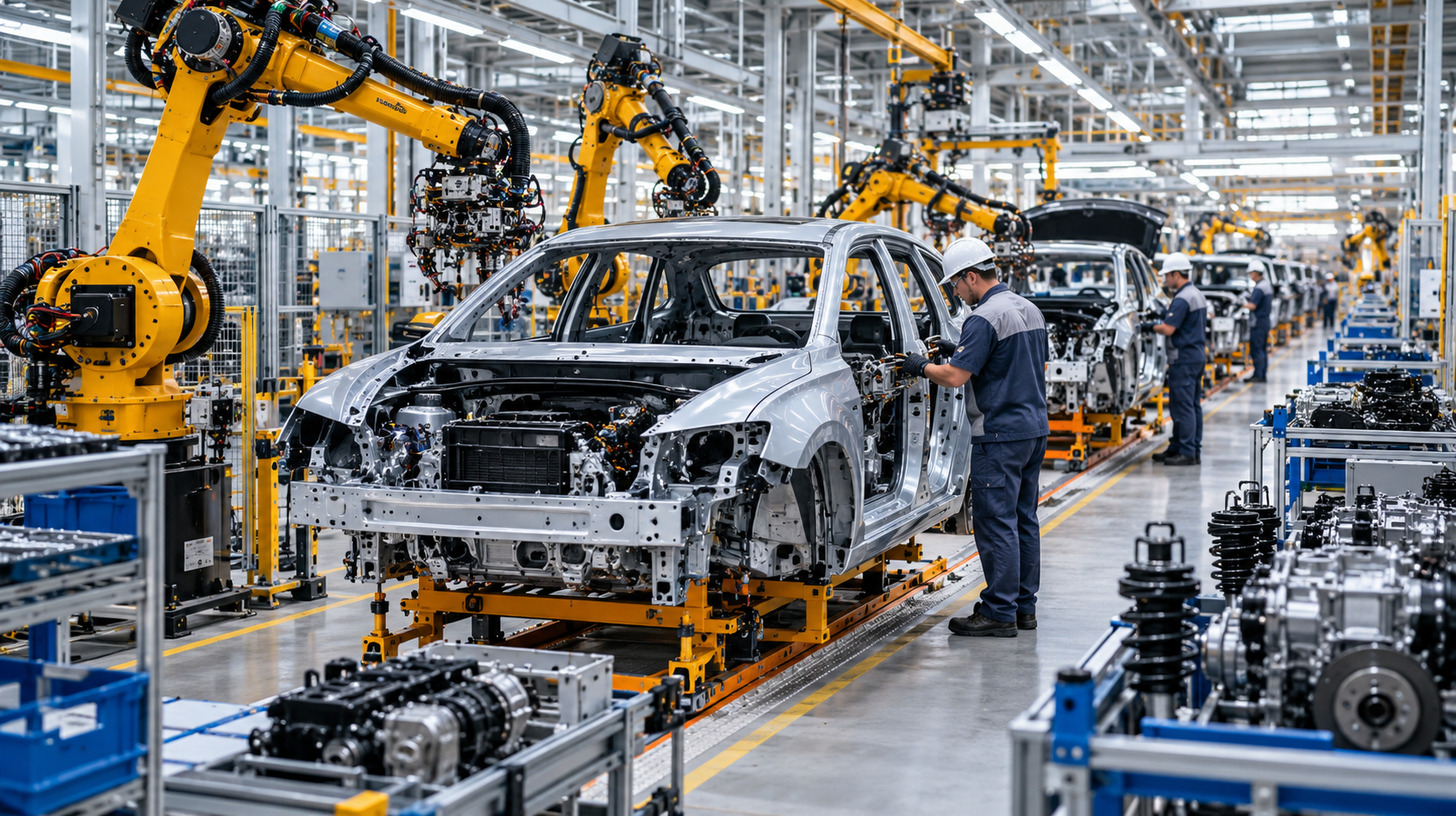
What can disrupt an automotive supply chain?
A storm can close a port. Tariffs can make parts cost more. A chip shortage or a late shipment of wiring can stop a factory, even when the rest of the line is ready. Modern cars also need chips and software for driver aids, screens, and safety systems. That adds new risks.
EVs make the puzzle harder. Mines and plants that process battery materials are concentrated in a few regions. Lithium iron phosphate (LFP) batteries often cost less, but much of the supply chain is centered in China. EV sales also vary by market, making it harder for suppliers to plan production.
For buyers, these problems may mean fewer models to choose from or longer delivery times. Some compare dealer listings, others check local prices or browse resources like https://auto.yugatech.com/guides/buying-a-car-in-qatar-in-2026-a-practical-guide-for-expats/ before making a decision. But even careful research won’t reveal everything happening behind the scenes.
Carmakers don’t always have the full picture either. They may know who supplies a particular part but have little visibility into the companies further down the chain. By the time a delay comes to light, it may be too late to avoid it.
What makes the supply chain more sustainable?
A greener supply chain starts at the source. Carmakers need to know where materials come from, how workers are treated, and how much waste factories create. Cleaner shipping and parts that are easy to repair help too.
Recycling helps. Steel and aluminum can be used again, and old batteries hold useful metals. But many EV packs are still on the road, so recycling alone can’t meet demand. Making parts last and checking how materials are sourced also matter.
How tech helps keep cars moving
When teams share data on orders, stock, and shipments, they can spot what’s late and which cars are at risk. They can then change the build plan before a small snag shuts down a line.
AI can help predict demand and flag early signs of trouble. But it can’t make a missing chip appear. Trusted suppliers, backup sources, and a plan B still matter.
Why dealers matter, too
Dealers feel the pain when a top-selling trim turns up late or the lot fills with models no one asked for. Good stock data and clear online listings help them sell the cars they have.
Spyne’s inventory tools, CRM, and website builder help with that last step. Dealers can track stock, follow up with leads, and show buyers what’s ready to buy.
When this chain works, customers find the cars they want and can get spare parts years later. That takes planning at every step, from mine to service bay.