Sustainability trends in the automotive industry
A car’s carbon footprint starts long before its first mile. Steel, batteries and factories all leave a mark. So does the journey to its owner. Some cars head to local dealerships, while others cross borders, with buyers researching the process through resources like lifeinsaudiarabia.net.
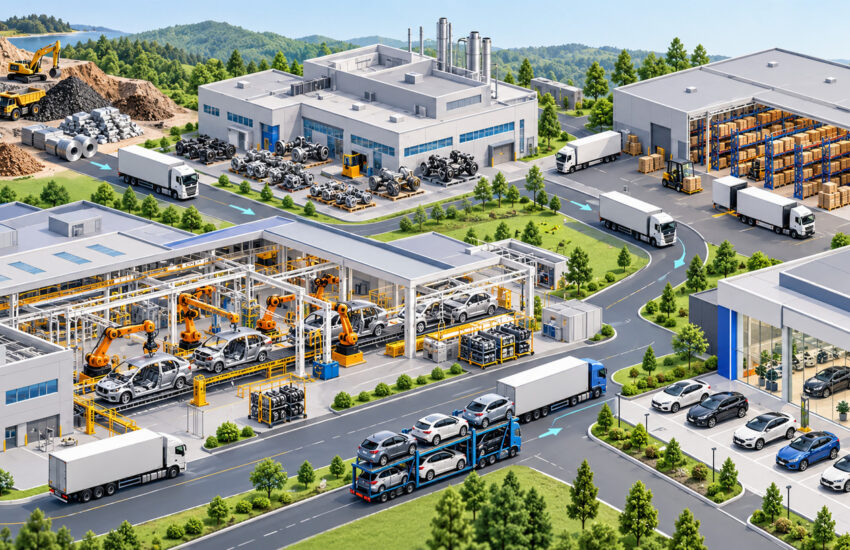
For automakers, the challenge is much bigger: cutting environmental impact at every stage, from mining and assembly to repairs and recycling, without making cars harder to afford.
Sustainability in the automotive industry: key facts
The IEA puts battery-electric and plug-in hybrid models at about one in four new cars sold worldwide. An ICCT study finds that a typical battery-electric car in Europe produces about 73% fewer lifetime greenhouse gas emissions than a comparable gasoline car.
That calculation includes production and driving. EVs still have a manufacturing footprint, and cleaner electricity matters.
Challenges for car manufacturers
Much of a car’s impact sits beyond the factory gate. Carmakers need reliable data from steel, aluminum and battery suppliers. That can be harder than measuring emissions at their own plants.
Transport adds another layer. A car might head to a local dealership or cross a border, as in a Qatar-to-Saudi purchase covered at https://lifeinsaudiarabia.net/qatar-car-import-saudi/. Each route comes with its own logistics and environmental costs.
Cleaner materials and better recycling cost money. Buyers still want affordable cars, while regulators expect proof behind environmental claims. Old vehicles bring another headache: plastics, electronics and batteries each need safe recovery. Responsible sourcing also means looking at labor conditions.
Eight sustainability trends in the automotive industry
From electrification to circular design, these eight trends show how carmakers are cutting their environmental impact and where challenges still remain.
1. Electric vehicles become more practical
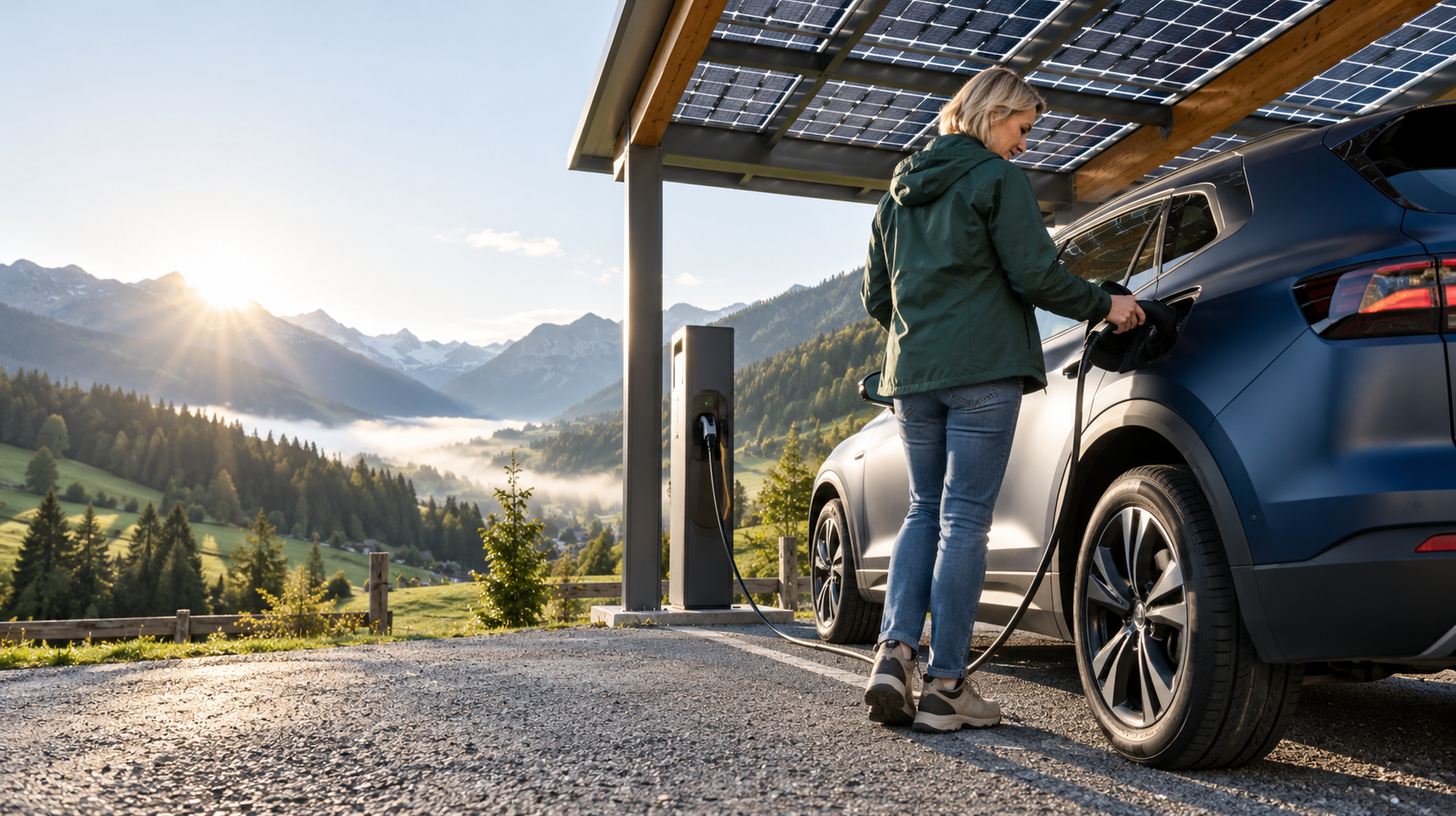
Lower battery costs and more models help EV adoption. Charging and prices still vary by market, so progress is uneven. Lithium iron phosphate batteries are gaining ground because they often cost less and avoid nickel and cobalt.
2. Hybrids remain part of the mix
Hybrids can cut fuel use. Plug-in hybrids can drive on electricity, but their climate benefit depends on regular charging.

3. Circular design starts earlier
Manufacturers are making parts easier to repair, remove and reuse. New EU rules push for more recycled content and better end-of-life collection. Keeping a part in use can be better than making a replacement.
4. Factories cut their footprint
Renewable electricity, smarter paint shops and less wasted heat can shrink factory emissions. But cleaner assembly can’t erase carbon-heavy steel or batteries.
5. Materials get a second life
Recycled aluminum, steel and plastics are appearing in more cars. Battery recyclers recover valuable metals, but most feedstock still comes from factory scrap, not retired EVs.
6. Shared mobility faces a reality check
Car-sharing can make better use of a vehicle. But ride-hailing may increase emissions if it adds empty trips or replaces public transport.
7. Energy recovery becomes standard
Regenerative braking captures energy otherwise lost as heat. It helps electric and hybrid cars stretch a charge or tank of fuel.
8. Better data changes decisions
Sensors, digital twins and life cycle assessments help teams find waste and track emissions. Digital battery passports will make material traceability harder to ignore.
What automakers are doing
Volvo has revised its all-electric plans to include plug-in hybrids. Ford still aims for carbon neutrality across vehicles, operations and suppliers. Volkswagen has opened a recycling hub at its Zwickau plant. BMW says an electric X5 variant gets roughly a third of its weight from secondary raw materials.
The approaches vary, and some are still at the pilot stage. The numbers will show what works.
Software solutions for sustainability
A car contains thousands of parts. Spreadsheets struggle to show the footprint of each one. Product compliance, life cycle assessment (LCA) and carbon tools can connect supplier data and show where the biggest impacts lie.
IPOINT Product Sustainability, now part of Assent, can automate assessments using parts lists and existing compliance data. That helps engineers compare materials before a design is locked in. No software can fix bad input data, though. Suppliers still need to provide figures that hold up to scrutiny.